
Dubai Interior Design Styles and the Firms That Master Them
Dubai’s interiors market is unusually pluralistic, and in 2026 you can see almost any style executed to a very high standard. A city that builds palace-scale classical villas also produces some of the region’s most pared-back minimalist apartments. Picking a style really means picking a firm whose instincts align with your taste, because studios usually specialise. This guide lays out the major looks shaping Dubai homes and venues to the studios most associated with them. It reflects current market direction, including the quiet-luxury and biophilic themes that define 2026. Along the way it notes rough budget bands so you can align ambition with cost. Let it help you narrow a long list into a shortlist of two or three compatible partners. It also shows where 2026 trends such as smart-home integration fit in.
Classical and neo-classical splendour
Classical and neo-classical interiors stay a signature Dubai look, especially for big villas and penthouses. Luxury Antonovich Design, part of the Antonovich Group, is closely associated with ornate palace-scale residences delivered on a turnkey basis from Downtown Dubai. Its work blends classical and richly detailed contemporary schemes with complete design-and-build execution. ALGEDRA Interior Design also takes in luxury interiors and architecture in both classical and contemporary styles across residential and hospitality bestinteriordubai.com projects. CK Architecture Interiors completes this group with end-to-end luxury home work delivered by in-house design and execution teams. These studios suit clients who want symmetry, statement materials and true grandeur. Luxury villas in this register commonly sit in the AED 600,000 to AED 2 million-plus band, with ultra-prime residences on Palm Jumeirah or Emirates Hills pricier still (market estimates).
Quiet luxury and understated elegance
Quiet luxury, otherwise known as understated elegance, is by many accounts the defining residential mood of 2026. The look leans on calm palettes, exceptional materials and craftsmanship felt rather than seen. Sneha Divias Atelier is a boutique studio blending interiors and architecture recognised for clean, detail-led spaces that match this brief closely. Its pared-back approach values proportion and quality over decoration. XBD Collective, a consultancy working across Dubai and London, lends a similarly refined, international sensibility to luxury home interiors. Zen Interiors, a turnkey, bespoke studio founded in 2003, also creates polished residential schemes for apartments, villas and penthouses. For buyers who equate luxury with discretion, these names are a sensible starting point.
Minimalism and its warmer variant
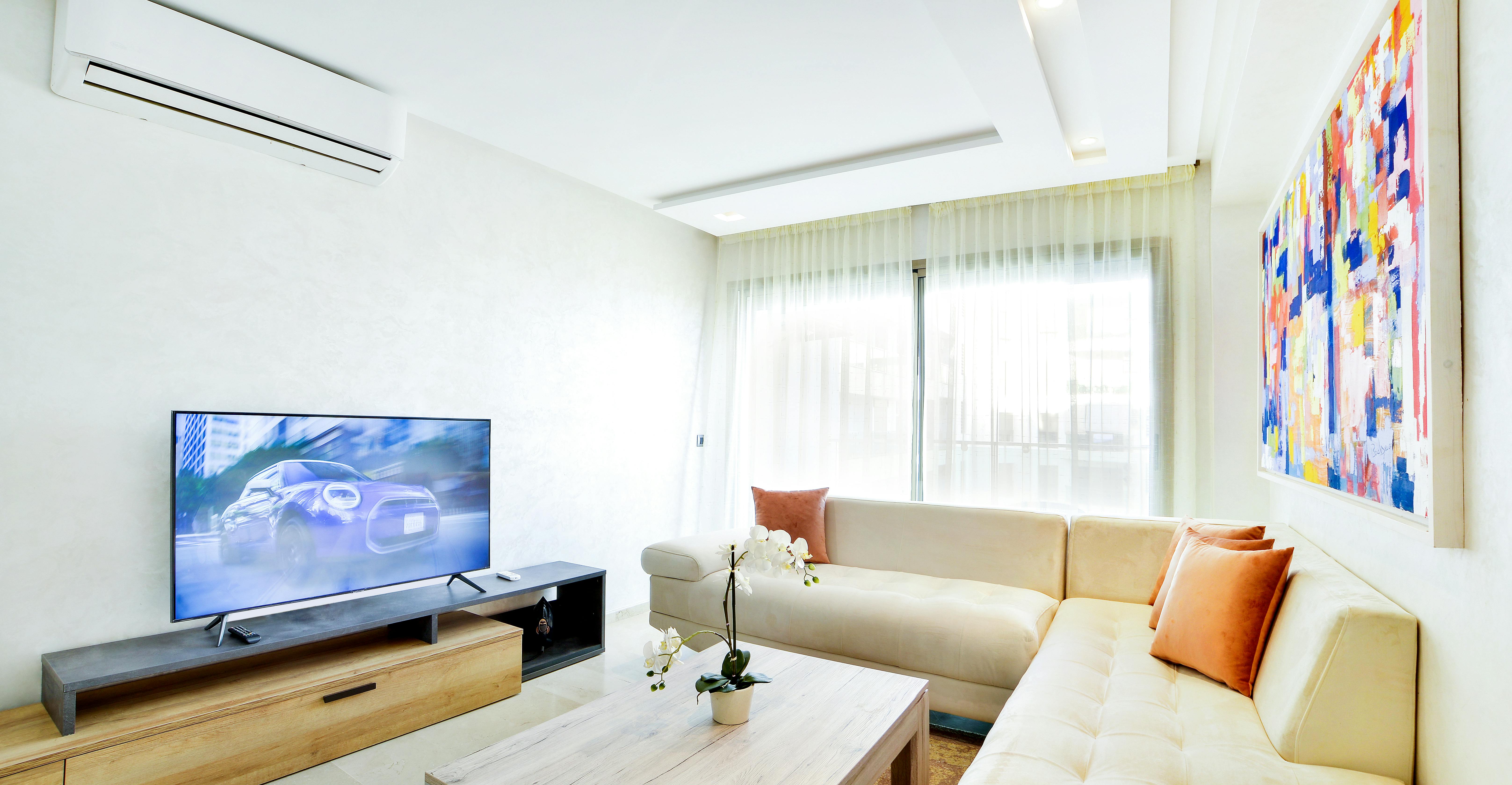
Minimalism in Dubai has grown warmer, swapping stark white boxes for natural, tactile materials. VSHD Design is a leading name in this space, with a minimalist, space-driven practice based in JLT Dubai. The studio works across high-end residential, apartments, hospitality and retail, invariably with a strong sense of space and light. Warm minimalism holds on to the discipline of clean lines but adds timber, stone and soft textiles for comfort. Muse Design contributes a modern, contemporary home voice with a villa-heavy portfolio that reads clean and current. This aesthetic is especially effective in apartments where clarity and flow count most. It also ages gracefully, which draws owners settling in for years rather than months.
Biophilic design, well-being and sustainability
Biophilic design, wellness and sustainability together make up one of the strongest currents shaping 2026. The approach carries nature inside through planting, daylight, natural materials and better air quality. Summertown Interiors is a natural reference point, recognised for sustainability and LEED-certified, healthier workplaces. Its focus on eco-materials sits alongside the UAE Net Zero 2050 goal and Dubai Municipality’s 2026 fit-out guidelines. Roar, based in Dubai Design District (d3), regularly threads wellness and research-driven thinking into its concept-driven interiors. Together they show how green principles today shape workplaces and hospitality just as much as homes. You can explore the direction of travel further in this Design Middle East feature on 2026 biophilic trends.
Bold, brand-led modern design
Not every client wants calm; some want a space that makes a confident statement. Bold, brand-led contemporary design is where personality, colour and dramatic detailing take centre stage. Bishop Design by Paul Bishop, founded in 2004, is the go-to for expressive, branded hospitality and commercial interiors. Its work transforms restaurants and lounges into memorable, highly photographed spots. Roar features here too, deploying bold concepts to give venues a clear point of view. For residences, Muse Design can steer a contemporary scheme toward something more expressive when a client wants drama. This register works for F&B operators and homeowners who see interiors as a statement rather than a backdrop.
Smart, flexible and future-proof interiors
A understated but fast-growing 2026 theme is the smart, flexible and future-proof interior. Smart-home and smart-MEP integration now governs lighting, climate, security and entertainment in high-end projects. Adaptable, multifunctional layouts let a room work as office, gym or guest space as needs shift. Swiss Bureau Interior Design, a design-and-build practice founded in 2003, is highly experienced in technology-rich corporate and residential work. 4SPACE Design brings a multidisciplinary, bespoke approach that adapts easily to hybrid living and working. This direction is for owners who want a space that evolves with them rather than going out of date fast. It dovetails with the warm-minimalist and sustainable themes running through the year.
Style-to-firm quick reference
The table below boils these styles down into a quick shortlisting reference. Each row pairs a look with representative Dubai studios and the settings where it tends to shine. Take the firm names as strong examples rather than the sole options, since many studios move across styles. The pairings mirror each firm’s public positioning and core specialty. Consider them next to your own budget band and the sort of property you are fitting out. A shortlist of two or three compatible studios should then emerge naturally.
| Style | Representative Dubai practices | Best suited to |
|---|---|---|
| Classical / neo-classical | Luxury Antonovich Design, ALGEDRA Interior Design, CK Architecture Interiors | Large villas, penthouses |
| Discreet luxury | Sneha Divias Atelier, XBD Collective, Zen Interiors | Premium apartments and villas |
| Warmer minimalism | VSHD Design, Muse Design | Flats and modern villas |
| Biophilic / sustainable | Summertown Interiors, Roar | Offices, wellness-led spaces |
| Bold brand-led | Bishop Design by Paul Bishop, Roar | Dining, retail and statement homes |
| Flexible / smart | Swiss Bureau Interior Design, 4SPACE Design | Flexible homes and offices |
Fitting a style to your space and budget
Pairing a style to your space and budget keeps a project realistic from day one. As a rough steer for 2026, mid-range residential fit-out is often estimated around AED 200 to AED 400 per square foot, with luxury villas reaching AED 600 to AED 2,000-plus (market ranges). A two-bedroom flat of about 1,100 to 1,500 square feet might fall between AED 400,000 and AED 750,000 at mid level. Design-only fees typically sit near 10 to 20 percent of the budget, or AED 175 to AED 550 per square foot. More elaborate styles like ornate classical work generally cost more thanks to bespoke joinery and lavish materials. Pared-back minimalism is not automatically cheaper, since fewer elements must each be flawless. Fix your budget band first, then pick a style and studio that sit comfortably within it.
From style to a shortlist
Style in Dubai is less about chasing a single trend and more a matter of honest self-knowledge. Decide whether you want grandeur, calm, nature or drama, and the right studios quickly become obvious. The firms named here each own their territory, which leaves them dependable places to start. Always confirm current specialisation directly, as studios grow and broaden their range over time. Compare a few portfolios against the table above ahead of committing to anyone. Once the look and the firm are aligned, the rest of the project tends to run far more smoothly. Trends will always shift, but a studio that owns its craft endures.
Leave a Reply